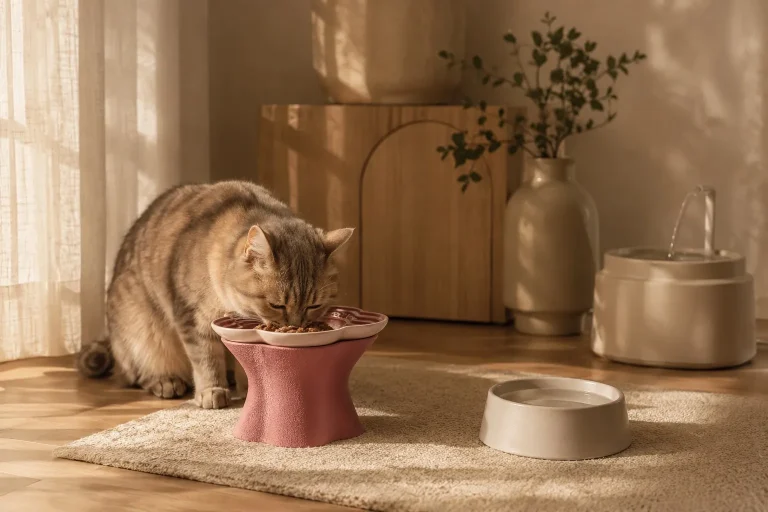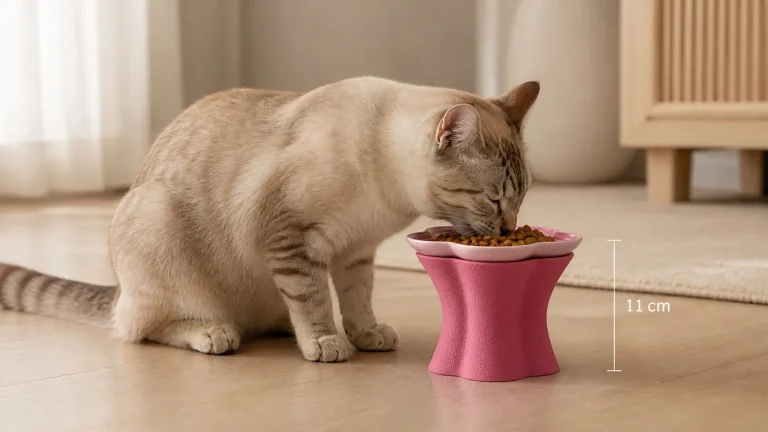


Feeding your cat may seem simple, but it has a bigger impact than many pet parents realise.
The amount your cat eats, how often they eat, how quickly they finish their food, and how much water they drink all play a role in their long-term health.
A good feeding routine supports digestion, hydration, weight management, energy levels, and even behaviour.
The good news is that you do not need a complicated system. Small, consistent choices can make your cat’s daily routine healthier and calmer.
In this guide, we’ll walk through practical cat feeding tips and how the right tools, such as an automatic feeder and a pet water purifier, can help make daily care easier for both you and your cat.
Understand Your Cat’s Nutritional Needs
Every cat has different nutritional needs depending on their age, weight, activity level, health condition, and lifestyle.
Kittens usually need more frequent meals to support growth. Adult cats often do better with a consistent feeding schedule and controlled portions. Senior cats may need extra attention, especially if they have changes in appetite, digestion, or weight.
This is why feeding your cat should not be based on guesswork alone.
Start by checking the feeding guide on your cat’s food packaging, then adjust based on your cat’s body condition and your veterinarian’s advice.
A healthy feeding routine should help your cat maintain steady energy, a healthy weight, and regular eating habits.
Avoid Free-Feeding If Your Cat Overeats
Free-feeding means leaving food out all day for your cat to eat whenever they want.
For some cats, this may work. But for many cats, especially indoor cats, free-feeding can lead to overeating, weight gain, boredom eating, or irregular appetite patterns.
Measured meals are usually easier to manage.
When you feed your cat at set times, you can control portion sizes and notice changes in appetite more quickly. This matters because appetite changes can sometimes be an early sign that something is wrong.
If your schedule is busy, a smart automatic feeder can help keep your cat’s meals consistent.
The MAKVN SlowFeed by Petea is designed to make feeding more structured and convenient, while helping reduce the habit of eating too quickly.
Stick to a Consistent Feeding Routine
Cats feel safer when their daily routine is predictable.
Feeding your cat at the same times each day can help regulate their internal clock and reduce mealtime anxiety. Instead of wondering when food is coming, your cat learns to trust the rhythm of the day.
A consistent feeding schedule can also help prevent overfeeding, especially if more than one person in the home feeds the cat.
For busy pet parents, this is where an automatic feeder becomes useful. It helps keep mealtimes steady even when work, traffic, travel, or daily distractions get in the way.
The goal is simple: your cat gets the right amount of food at the right time, without depending entirely on your schedule.
Slow Down Fast Eaters
Some cats eat too quickly, especially if they are excited, anxious, or used to competing for food.
Fast eating can lead to vomiting, bloating, discomfort, and poor digestion.
Instead of serving one large meal at once, try smaller portions throughout the day. You can also use slow feeders, puzzle bowls, or an automatic feeder that dispenses food in controlled amounts.
This turns feeding into a calmer process instead of a race.
Slow feeding can also support mental stimulation, especially for indoor cats who may not get enough natural hunting activity during the day.
Do Not Overlook Hydration
Food is only one part of your cat’s health. Water matters just as much.
Many cats do not drink enough water, especially if they eat mostly dry kibble. Over time, low water intake may contribute to urinary issues, constipation, low energy, and kidney-related concerns.
The challenge is that cats can be picky drinkers.
If water smells stale, collects dust, or sits too long in a bowl, your cat may simply avoid it. They may not complain. They may just drink less.
That is why clean, fresh, and inviting water should be part of every cat feeding routine.
The MINOM Plus Pet Water Purifier by Petea is designed to support better hydration by providing cleaner filtered water in a more hygienic setup.
Keep Food and Water Bowls Clean
A healthy feeding routine is not only about what your cat eats. It is also about the cleanliness of the feeding area.
Food bowls can collect oils, saliva, leftover crumbs, and bacteria. Water bowls can collect dust, fur, and biofilm over time.
Even if the food is high quality, an unclean bowl can still affect your cat’s comfort and hygiene.
For better daily care, wash food bowls regularly, refresh water often, and avoid placing bowls too close to the litter box.
Stainless steel and ceramic bowls are usually better choices than scratched plastic bowls because they are easier to clean and less likely to trap residue.
Use Treats Carefully
Treats can be useful for bonding, training, and enrichment, but they should not quietly become a second meal.
Too many treats can lead to weight gain or an unbalanced diet, especially for indoor cats with lower activity levels.
As a general habit, keep treats small and occasional. If your cat is already eating complete and balanced cat food, treats should only be a small part of their overall daily intake.
You can also use part of your cat’s normal meal portion as a reward during play or training. That way, your cat still gets the excitement of treats without unnecessary extra calories.
Avoid Foods That Are Dangerous for Cats
Some human foods can be harmful or toxic to cats.
Avoid giving your cat onions, garlic, chocolate, caffeine, alcohol, grapes, raisins, and cooked bones.
Raw diets should also be approached carefully. A properly balanced raw diet requires knowledge, preparation, and hygiene. If done incorrectly, it may lead to nutritional imbalance or food safety issues.
If you are unsure whether a food is safe, it is better to check with your veterinarian before offering it to your cat.
Watch for Changes in Appetite or Drinking Habits
Your cat’s eating and drinking habits can tell you a lot about their health.
If your cat suddenly eats less, eats much more than usual, drinks excessively, avoids water, loses weight, vomits often, or seems unusually tired, it is worth paying attention.
Small changes can be normal, but ongoing changes should not be ignored.
A consistent routine makes these changes easier to spot. When your cat eats and drinks in a predictable way, you are more likely to notice when something feels different.
Final Thoughts: Better Feeding Starts with Better Daily Habits
Feeding your cat properly is not just about choosing the right food.
It is about portion control, routine, hydration, hygiene, slow feeding, and paying attention to your cat’s behaviour.
With small improvements, you can create a healthier feeding routine that supports your cat every day.
Tools like the MAKVN SlowFeed and MINOM Plus Pet Water Purifier can help make that routine easier, cleaner, and more consistent.
Because when your cat eats well, drinks well, and feels safe in their daily routine, everything else becomes a little easier.
Note: Always consult your veterinarian for advice specific to your cat’s age, weight, diet, and health condition.